



Removing grass stains
On this page:
Removing grass stains
Grass stains often occur at the most inconvenient moments. A picnic in the park, children playing football, a fall on the lawn or a dog bringing wet grass indoors. You can see it immediately on clothing, but grass stains can also quickly set into carpets, rugs and upholstery. Sometimes it is not just green, but also a greyish smudge, because grass, soil and moisture combine to form a stain. On hard floors, a green haze or a dull streak often remains when it dries.
Acting quickly helps, because grass stains quickly. At the same time, it is important not to rub too hard. This pushes the dyes deeper into the fibres and makes the stain larger.
The same advice applies to these stains: Grass, Pollen, Lilies, Grass Stain
Characteristics (anatomy) of a grass patch
Grass stains consist of plant juices containing green pigments, combined with water and often soil as well. The green dye can adhere to fibres and remain as a shadow. Grass is more likely to discolour when it is bruised or wet. On textiles, the juice seeps between the fibres and can leave a greenish or yellowish tinge after drying. On hard floors, grass moisture sometimes dries as a thin layer that looks streaky or dull. If you use too much water, you will spread the pigments and increase the risk of dark circles.
Grass stains in carpets and rugs
Grass stains consist of plant juices and often soil as well. In carpets, the green dyes quickly penetrate the fibres and give them a green to yellow-green shade. If there is also sand present, the area may become grey and feel rougher.
If it remains, it will dry and the discolouration will become more permanent. The spot may then become increasingly visible, especially if moisture is added later. Light-coloured carpets often retain a greenish haze, while dark carpets tend to show a dull smear.
Please note that grass clippings can easily spread when you sweep or rub. A rim can also quickly form because the liquid pulls outwards during drying. With grass, the combination of colour and dirt that has been brought in is often the cause of a permanent shadow.
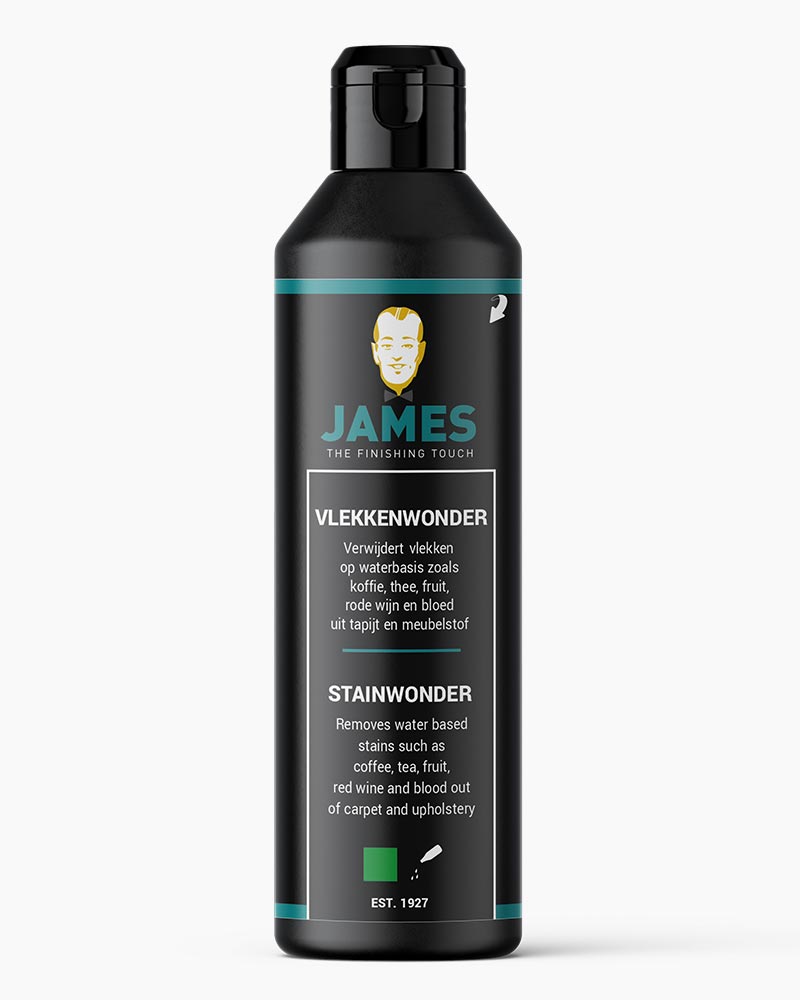
Treat with James Stainwonder
This stain can be treated with James Stainwonder. All you need is a bottle of James Stainwonder!
- Test for colour and material resistance in an inconspicuous area: apply, let it dry completely and evaluate.
- Allow the surface to dry completely.
- Apply James Stainwonder to the dry stain by turning the bottle upside down, placing the opening of the bottle on the stain and treating the entire stain.
- The product works for 12 hours, so the effect does not have to be visible immediately.*
- Is the stain not completely gone after treatment, but it has improved? You may repeat the treatment.
* With wool: in the vast majority of cases, James Stainwonder does not cause any discolouration. You have already established this by testing the product in an inconspicuous area as described above. In that case, you do not need to carry out the following step. If a (slight) discolouration did occur, you should neutralise James Stainwonder as soon as the stain has disappeared. In this case, immediately place a damp cotton cloth on the spot where the stain was and let it dry.
Immediate treatment with water
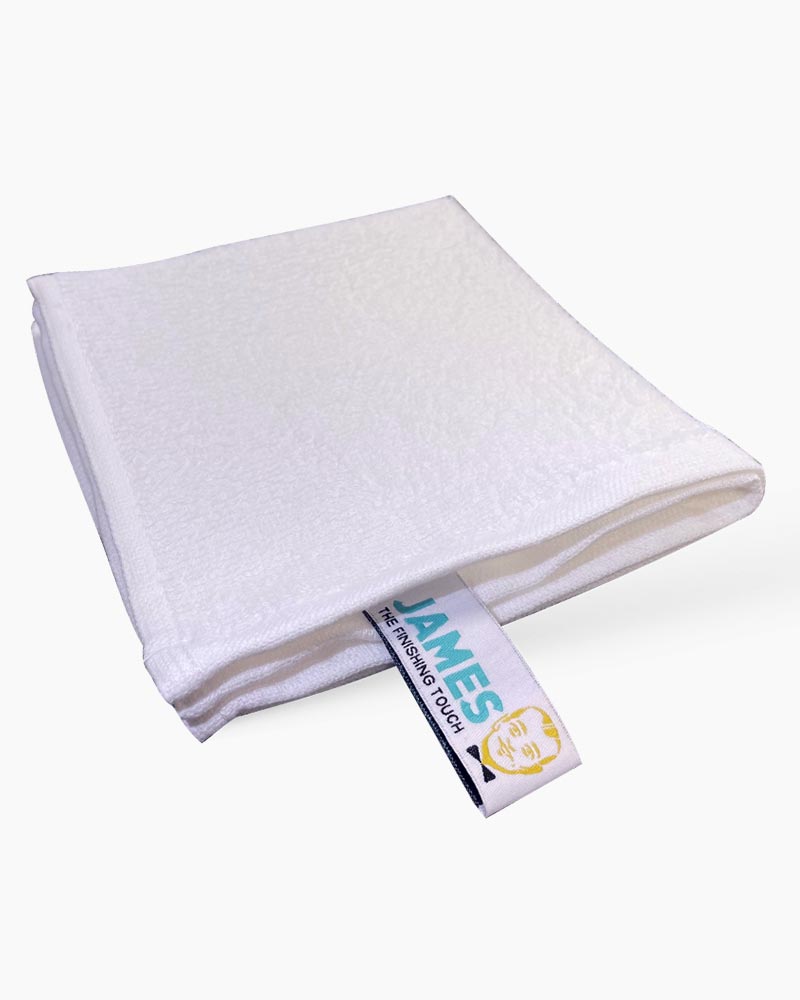
This stain can be treated immediately with water. For this you need a white, cotton cloth and water. Follow the steps below:
- First remove, as far as possible, any loose substances using a spoon.
- Immediately hold a white cotton cloth under the cold tap, wring it out and place it flat on the stain.
- Leave the cotton cloth in place to dry completely, no peeking. Should the cloth become saturated, replace it with a fresh one as described above. Then leave the cloth until it is completely dry.
Note: Do not perform the above instructions if water causes aspect loss or discoloration on the material to be treated.
Grass stains on hard floors
On hard floors, grass moisture dries as a thin layer that can leave streaks. You often see green smears, especially when shoes smear it around. Green may remain in the structure and along seams, making the stain still visible after drying.
If you leave it, the layer will harden and may cause a dull haze on the top layer. This is particularly noticeable on PVC, vinyl, LVT and laminate flooring when the light is shining downwards. With natural stone, dirt can remain in small pores, causing the area to remain grey.
Please note that sand and soil can have an abrasive effect when you move over them. This can cause fine scratches that make the haze more visible. The risk with grass on floors often lies in streaks and film formation, not in a single distinct stain.
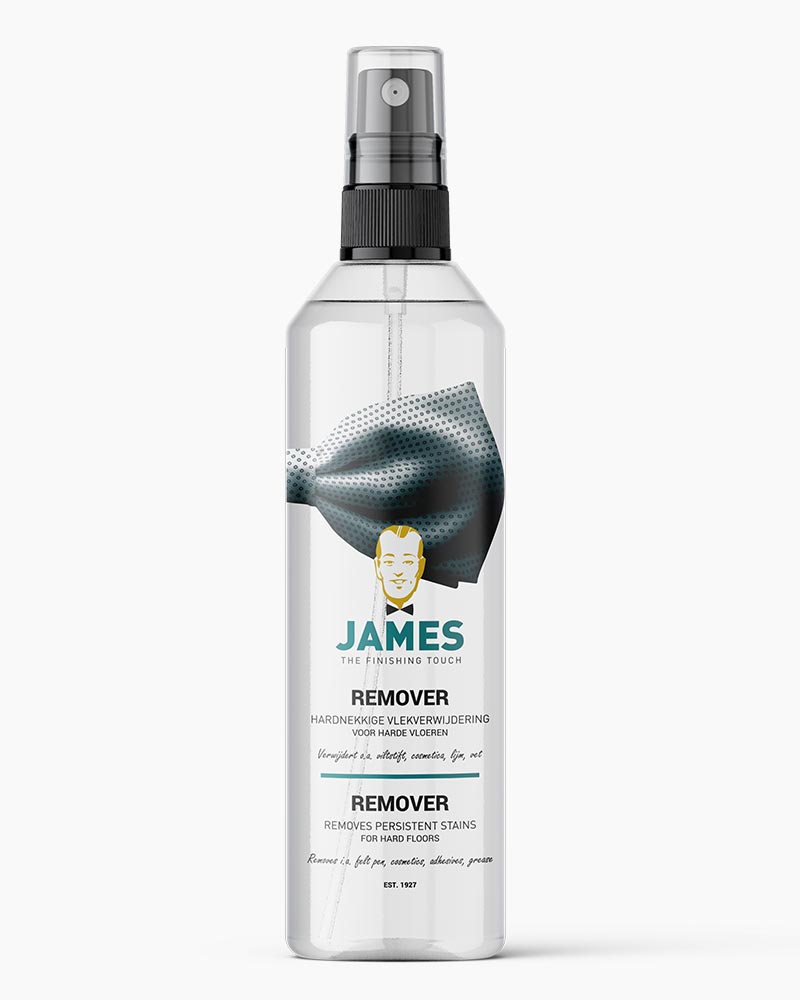
Treatment with James Remover
This stain can be treated with James Remover.
Before use, always test in an inconspicuous area for color and material resistance: apply, leave for 5 minutes, clean the tested area with water, allow to dry and evaluate.
- Spray directly onto the purpose area
- Leave to soak for about 1 to 5 minutes
- Then, use a white cotton cloth to remove the grease
- If necessary, gently treat stubborn stains with a soft brush or plastic spatula.
- After use, always clean the area with water.
Attention: be careful when working near a glue seams. Allow James Remover to soak in shortly. Do not let the product penetrate into cracks or seams.
Treat using a moist cotton cloth
This stain can be treated immediately with water. Use clean water and preferably a white, cotton cloth.
Grass stains on upholstery fabric
Grass on upholstery fabric often leaves a green smear or shadow, sometimes with a greyish edge from soil. The dyes can adhere quickly, especially to light-coloured fabrics. In fabrics with texture, the green can remain between the fibres and therefore be visible for longer.
If it remains in place, the area will attract dirt more quickly and become grey. The fabric may also feel slightly rougher in that area due to dried dirt particles. With cushions, the stain may appear larger because the moisture spreads through the fabric.
Please note that friction can flatten the fibres and make the area more visible. A circle may also form due to a larger moisture zone around the wipe. Grass requires particular care with regard to spreading and attention to any dirt that may have been brought along.
Treat with James Stainwonder (*furniture fabrics)
This stain can be treated with James Stainwonder. Always test for colour fastness and material perpetuation in an inconspicuous area: apply, let it dry and evaluate.
- Allow the surface to dry completely.
- Apply James Stainwonder to the dry stain by turning the bottle upside down, placing the opening of the bottle on the stain and treating the entire stain. Spread a little James Stainwonder on a clean, dry cotton cloth towel and use it to cover the stain. This is to prevent circles from appearing after drying.
- The product works for 12 hours, so the effect does not have to be immediate. Do not remove the cotton cloth until it is dry to see the result.*
- Is the stain not completely gone after treatment, but it has improved? You may repeat the treatment.
* With wool: in the vast majority of cases James Stainwonder does not cause any discolouration. You have already established this by testing the product in an inconspicuous area as described above. In that case, you do not need to carry out the following step. If there is a (slight) discolouration, neutralise James Stainwonder with water as soon as the stain has disappeared (to do this, however, lift the cotton cloth in between to be able to assess whether the stain has already disappeared). In this case, immediately place another damp cotton cloth on the spot where the stain was and let it dry.
Immediate treatment with water
This stain can be treated immediately with water. For this you need a white, cotton cloth and water. Follow the steps below:
- First remove, as far as possible, any loose substances using a spoon.
- Immediately hold a white cotton cloth under the cold tap, wring it out and place it flat on the stain.
- Leave the cotton cloth in place to dry completely, no peeking. Should the cloth become saturated, replace it with a fresh one as described above. Then leave the cloth until it is completely dry.
Note: Do not perform the above instructions if water causes aspect loss or discoloration on the material to be treated.
Would you also like to benefit from James’ effective stain removal? Discover our full range and order your James products easily online. You’ll soon be enjoying a clean and stain-free interior again!
Frequently asked questions and myths
There are all sorts of stories circulating about how to remove these grass stains. From granny’s remedies to persistent tips from the internet – but what really works? In this section, we answer frequently asked questions and debunk a few myths. This allows you to get started with confidence.
Green soap is often mentioned, but it is not always the best choice. It can loosen some of the dirt, but often leaves behind a soapy film that attracts dirt. As a result, the spot may remain greyish after drying. On hard floors, green soap can leave streaks and a haze. If you use it, you must follow up very carefully. A cleaner designed to loosen dyes usually gives a better and neater result.
Alcohol is sometimes recommended because it can loosen the pigment, but it is not without risk. Alcohol can remove colour from upholstery fabric, leaving a lighter spot. On some floors, this may cause a difference in gloss. Furthermore, alcohol can spread the stain if you rub too hard. If you are considering using alcohol, always test on an inconspicuous area and work very locally. In many cases, a suitable cleaning agent is safer.
I would rather not. Hot water can cause dyes to adhere more quickly and draw the stain deeper into the fibres. This tends to leave a shadow behind. It is preferable to use lukewarm or cool water if you need moisture and work very locally. More importantly, first absorb the stain without rubbing, then clean with a product that loosens dyes. Then absorb thoroughly and dry to prevent rings and streaks.
Lemon juice is mentioned, but it is acidic and not always safe. It may cause damage and dull spots on natural stone. It may cause discolouration or colour differences on textiles, depending on the fabric. It also does not necessarily dissolve the green pigments effectively, which means that you still have a shadow. It is preferable to select an approach that is suitable for your surface and that removes the stain without risk of damage.
Because the green pigments in grass attach themselves to fibres and can penetrate deeply. A residue of dirt or cleaning agent may also remain, making the spot visible. The solution is to clean the area locally, absorb thoroughly and allow to dry completely. Sometimes a second treatment is necessary to remove the last pigments. Gently repeating the process often works better than scrubbing hard, as this keeps the fibres and fabric structure intact.
Deal with any stain using the right approach from James
Grass stains are troublesome due to their strong green colouring, but with a gentle approach, they can usually be removed effectively. By dabbing first and then cleaning locally, you prevent smudging, circles and permanent shadows. With James’ products and advice, you can safely remove grass from carpets, hard floors and upholstery without damaging fibres or top layers. Tackle it in good time, and your interior will remain fresh and tidy, even after a day outdoors.